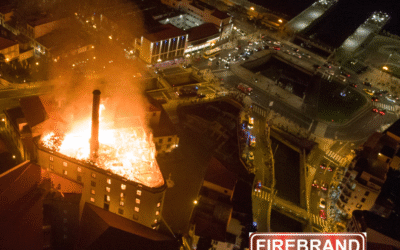


Fire safety remains a critical focus across various environments, from residential kitchens to high-risk industrial operations. Advancements in fire prevention, detection, and suppression technologies provide organisations with valuable tools to mitigate fire hazards effectively. Whether upgrading standard doors to fire doors, managing HVAC fire risks, or implementing innovative gaseous suppression systems, each innovation contributes to a safer environment. Here we look back at our news posts for the year.
Fire Doors
In March, we looked at fire doors. Doors can be upgraded to fire doors through specific modifications that enhance their resistance to fire and smoke. These modifications include using fire-resistant materials, installing intumescent seals that expand under heat to block gaps, and ensuring robust hardware like fire-rated hinges and latches. Proper installation and regular maintenance are crucial to ensure the door’s effectiveness in containing fires and facilitating safe evacuation.
Managing Fire Risks in Commercial HVAC Systems
April saw us looking at Heating, Ventilation, and Air Conditioning (HVAC) systems in commercial buildings which can pose significant fire hazards if not properly maintained. Accumulation of dust, debris, and flammable materials within ducts can lead to fires that spread rapidly through the ventilation system. Regular inspections, cleaning, and adherence to safety standards are essential to mitigate these risks. Implementing fire dampers and smoke detectors within the HVAC system further enhances safety by detecting and containing potential fires.
Addressing Fire Hazards in Kitchens
Both commercial and domestic kitchens are prone to fire hazards due to the presence of open flames, hot surfaces, and flammable cooking oils. To manage these risks, it is important to maintain clean cooking areas, ensure proper ventilation, and have accessible fire suppression tools like fire blankets and extinguishers. In commercial settings, installing automatic fire suppression systems, such as kitchen hood suppression units, provides an additional layer of protection by automatically detecting and extinguishing fires.

Advancements in Gaseous Fire Suppression Systems
We looked at Gaseous Fire Suppression Systems in June’s article. Gaseous fire suppression systems have advanced significantly, offering effective solutions for environments where traditional water-based systems may cause damage, such as data centres and museums. These systems deploy inert gases or chemical agents to extinguish fires without leaving residues. Recent technological improvements include enhanced detection systems that identify fires at their earliest stages and improved gas delivery mechanisms that ensure uniform distribution of the suppressing agent. Additionally, the development of environmentally friendly agents with lower global warming potential reflects a commitment to sustainability in fire suppression technology.
Designing Effective Fire Detection and Suppression Systems
The design of fire detection and suppression systems must be tailored to the specific needs of a building, considering factors such as layout, occupancy, and potential hazards. Integrating advanced detection technologies, including smoke, heat, and flame detectors, ensures prompt identification of fires. Coupling these detection systems with appropriate suppression mechanisms, such as sprinklers or gaseous agents, provides a comprehensive approach to fire safety. Regular maintenance and compliance with regulatory standards are essential to ensure these systems function effectively when needed.
Implementing Smoke Ventilation Systems
Smoke ventilation systems are crucial in managing the spread of smoke during a fire, facilitating safe evacuation, and aiding firefighting efforts. These systems can be natural, using vents and windows, or mechanical, employing fans and ducts to control smoke movement. Proper design and installation are vital to ensure they operate effectively, considering factors such as building geometry, occupancy, and the nature of potential fire hazards. Regular testing and maintenance are also necessary to confirm their readiness in an emergency.

Developing and Implementing Evacuation Procedures
Effective evacuation procedures are a cornerstone of fire safety, ensuring that occupants can exit a building swiftly and safely during an emergency. Designing these procedures involves conducting thorough risk assessments, mapping out clear evacuation routes, and establishing designated assembly points. Training employees and conducting regular drills are essential to familiarise everyone with the procedures and identify areas for improvement. Compliance with legal frameworks, such as the Occupational Health and Safety Act, underscores the importance of well-designed evacuation plans in safeguarding lives.
Conducting Fire Safety Inspections
Regular fire safety inspections are vital to identify potential hazards, ensure compliance with safety regulations, and verify the functionality of fire protection systems. These inspections should assess all aspects of fire safety, including the condition of fire doors, the cleanliness of HVAC systems, the readiness of suppression systems, and the adequacy of evacuation procedures. Addressing identified issues promptly and maintaining thorough records of inspections and corrective actions contribute to a safer environment.
Enhancing Fire Safety in High-Risk Manufacturing Operations
High-risk manufacturing operations, such as those involving flammable materials or high-temperature processes, require stringent fire safety measures. Implementing specialised fire detection and suppression systems tailored to the specific hazards present is crucial. Additionally, comprehensive training for employees on fire prevention and emergency response, along with regular safety audits, helps maintain a culture of safety. Collaborating with fire safety professionals to design and implement appropriate measures ensures that the unique challenges of high-risk manufacturing environments are effectively addressed.
Over the year, we provided some valuable insights into various aspects of fire safety. By implementing the strategies and technologies discussed, organisations can enhance their preparedness and response to fire emergencies, thereby safeguarding lives and property.
Firebrand Group
Firebrand Group, established in 2014, is a leading fire protection company in South Africa dedicated to comprehensive fire safety solutions. The mission is to safeguard lives, protect assets, and reduce the environmental impact of fires. By offering high-quality, cost-effective, and integrated fire protection systems, Firebrand Group enables clients to focus on their strategic goals while relying on expert support from a team of specialised service providers and firefighting professionals.
Firebrand Group’s extensive services include Risk Assessment Surveys, customised fire protection system design, and the supply and installation of advanced equipment. The company also provides tailored Service Level Agreements to meet unique client requirements. On-site and off-site training further empower clients and their teams to understand fire risks and manage them effectively.
Health, safety, and environmental impact are key priorities for Firebrand Group, with a focus on minimising risks to people and workplaces. Through systematic and efficient project management, Firebrand Group delivers high-quality results within budget and without disrupting client operations. This unwavering commitment to excellence has solidified FBG’s reputation as a trusted leader in fire protection, ensuring customer satisfaction and peace of mind across South Africa.
Contact us for your fire protection and safety needs.