
Fire safety inspections form an integral part of fire risk assessments. In the United Kingdom, this falls under the Regulatory Reform (Fire Safety) Order 2005 and should be a regular practice carried out by a property’s “responsible person.” Yet, according to UK government statistics, the total number of fire safety audits has declined since 2010/11, dropping by 43% and 27% in the past five years. We must ensure that this trend does not occur in South Africa, where fire safety is a critical part of business operations.
Fire Safety Inspections: Legal Guidelines for South African Companies
Fire safety is a critical aspect of business operations. In South Africa, various laws and by-laws govern fire safety standards. Compliance with these regulations ensures that companies protect not only their employees but also the public and their property from fire hazards. South African companies need to understand how to plan, organise, and carry out fire safety inspections in compliance with the applicable legal framework. Here we look at the relevant regulations and essential steps that should be followed to meet fire safety inspection requirements.
Legal Framework Governing Fire Safety in South Africa
Several laws and regulations govern fire safety in South Africa. The primary pieces of legislation include:
- Occupational Health and Safety Act (No. 85 of 1993) – This act requires employers to ensure that the workplace is safe and does not pose a risk to health, including fire safety.
- National Building Regulations and Building Standards Act (No. 103 of 1977) – This act regulates the safety, health, and environmental standards of buildings, including fire prevention measures.
- South African Bureau of Standards (SABS) Codes of Practice – SABS provides specific standards (SANS 10400-T) for fire protection. Businesses must follow these to ensure that buildings are designed to prevent and control fire outbreaks.
- Municipal Fire Safety By-laws – Many municipalities have specific by-laws related to fire safety. For example, the City of Johannesburg’s Emergency Services By-laws. Companies must comply with local municipal fire regulations in addition to national laws.

Occupational Health and Safety Act (OHSA)
The Occupational Health and Safety Act (No. 85 of 1993) places a duty on employers to provide a safe working environment for their employees. Section 8 of OHSA outlines the employer’s responsibility to eliminate potential fire hazards and ensure that employees are adequately trained in fire safety. Fire safety inspections are crucial to meet this obligation, as they help to identify and mitigate fire risks.
Penalties for Non-compliance: Failure to comply with OHSA can lead to penalties including fines or imprisonment. According to Section 38 of the Act, companies that fail to adhere to the regulations can face fines of up to R100,000 or imprisonment for up to two years.
National Building Regulations and Building Standards Act
The National Building Regulations and Building Standards Act (No. 103 of 1977) governs fire safety standards in building designs. Of particular importance is Part T of the National Building Regulations. SANS 10400-T provides guidance on fire protection measures, including the installation of fire doors, fire alarms, and other safety systems. This standard is critical for ensuring that fire safety measures are incorporated during the construction and inspection phases.
Section T1 of the regulations requires buildings to be designed and constructed to provide sufficient escape routes and to reduce the risk of fire spreading. Fire safety inspections must verify that these structural fire prevention measures remain functional and compliant.
Penalties for Non-compliance: Non-compliance with the National Building Regulations can result in fines or legal action. Section 24 of the Act allows local authorities to act, including ordering the removal or modification of non-compliant structures. Additionally, companies could face fines or other legal repercussions for failing to meet fire safety standards.
SABS Codes of Practice (SANS 10400-T)
The South African Bureau of Standards (SABS) sets out specific codes, such as SANS 10400-T, which deal directly with fire safety in buildings. This standard outlines how businesses should ensure that fire safety systems are professionally installed, maintained, and inspected regularly. Compliance with SANS 10400-T ensures that a building’s design, materials, and safety systems minimise the risk of fire and allow safe evacuation in case of a fire emergency.
Municipal Fire Safety By-laws
In addition to national laws, many municipalities have their own fire safety by-laws. For instance, City of Johannesburg Emergency Services By-law requires businesses to obtain a fire certificate and conduct regular fire safety inspections. These inspections typically cover fire extinguishers, alarms, emergency exits, and other fire suppression systems.
Companies must consult local municipal by-laws to ensure that their fire safety practices comply with specific local requirements. Each municipality may have its own schedule for fire safety inspections and requirements for fire equipment maintenance.
Penalties for Non-compliance: Non-compliance with municipal fire by-laws can result in immediate closure of the premises or the imposition of fines. For example, failure to comply with the City of Johannesburg’s fire safety by-laws may result in fines, cancellation of operating licenses, or even criminal charges.
Planning and Organising Fire Safety Inspections
For companies, carrying out fire safety inspections in a structured and legally compliant manner is essential. Here are the steps companies should take to plan, organise, and execute fire safety inspections:
Develop a Fire Safety Management Plan
The first step is to create a fire safety management plan that is compliant with South African laws and standards. This plan should outline:
- The roles and responsibilities of management and employees regarding fire safety.
- Procedures for fire risk assessments and inspections.
- The schedule for regular fire safety inspections.
- Fire safety training for employees.
The management plan must align with the requirements of OHSA, the National Building Regulations, and municipal by-laws.
Conduct Fire Risk Assessments
Before any formal inspection, companies should conduct an internal fire risk assessment. This assessment identifies potential fire hazards in the workplace. It evaluates the adequacy of fire prevention measures, and ensures that fire safety systems are operational. SANS 10400-T provides guidelines on how to evaluate fire risks.
Organise Regular Inspections
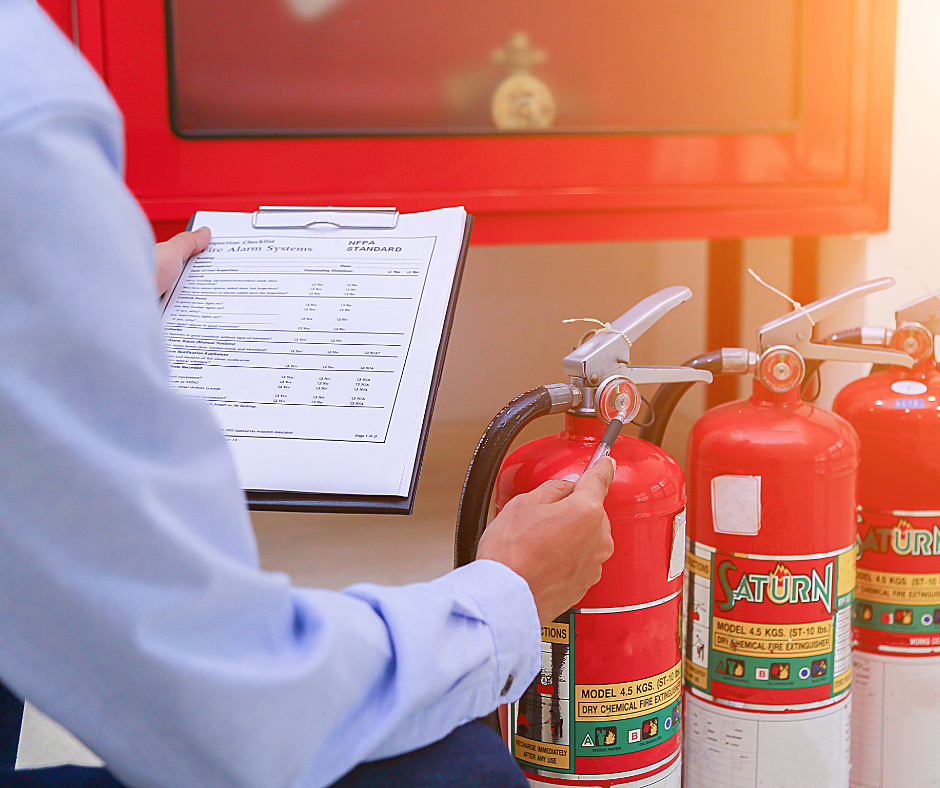
Fire safety inspections should be carried out regularly. Some municipalities require companies to inspect their premises every six months. On the other hand, others may have annual inspection requirements. Key aspects to inspect include:
- Fire extinguishers: Ensure they are serviced, accessible, and fully functional.
- Fire alarms and smoke detectors: Check their functionality.
- Emergency exits: Ensure that exits are clearly marked, unobstructed, and unlocked.
- Sprinkler systems: Verify that they are operational.
- Electrical systems: Ensure wiring and electrical systems comply with fire safety standards.
Inspections should be documented, and any identified risks must be addressed immediately.
Engage Qualified Fire Safety Inspectors
Companies should ensure that qualified fire safety inspectors conduct fire safety inspections. In many municipalities, only certified inspectors are authorised to issue fire safety compliance certificates. Inspections by certified professionals ensure that the premises meet all legal and safety requirements.
Ensure Employee Fire Safety Training
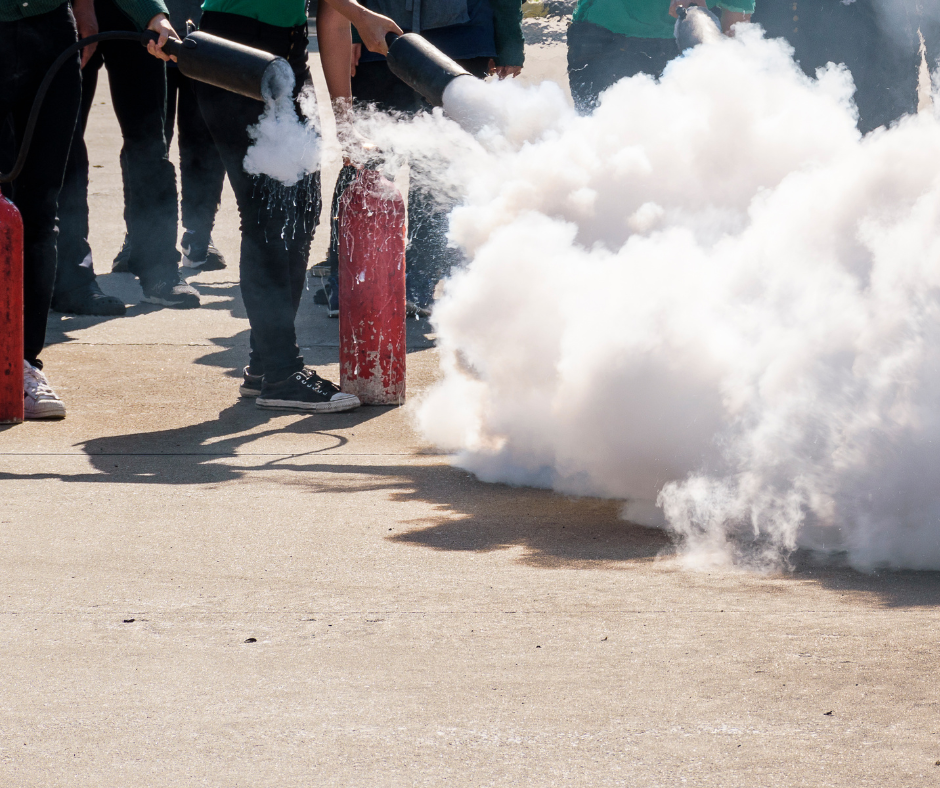
Section 8 of OHSA emphasises the importance of training employees in fire safety. Employees should receive training on fire prevention, how to use firefighting equipment, and what to do in case of a fire emergency. Fire drills should be conducted regularly, with each employee aware of the escape routes and evacuation procedures.
Consequences of Non-compliance: Failing to carry out fire safety inspections can result in grave consequences. These include:
- Legal Penalties: Companies can face heavy fines or imprisonment for failing to meet fire safety regulations as stipulated by OHSA and the National Building Regulations.
- Closure of Premises: Municipalities have the authority to close non-compliant businesses until they meet fire safety requirements.
- Insurance Liabilities: In the event of a fire, insurance companies may refuse to honour claims if the business was found to be non-compliant with fire safety laws.
- Increased Risk of Fire Outbreaks: A failure to address fire safety risks can lead to fire incidents. These may result in the loss of life, damage to property, and pecuniary loss.
South African companies have a legal and moral obligation to ensure fire safety in their workplaces. By adhering to the requirements of the Occupational Health and Safety Act, National Building Regulations, SABS Codes of Practice, and municipal by-laws, companies can significantly reduce the risk of fire incidents. Planning, organising, and carrying out regular fire safety inspections are essential for compliance and safety. This assists in protecting both employees and the broader public from fire hazards. Penalties for non-compliance can be severe, making it crucial for businesses to prioritise fire safety as an integral part of their operations.
Firebrand Group Services
As one of South Africa’s leading fire protection companies, Fire Brand Group (FBG) has the mission of providing comprehensive fire safety solutions to mitigate and eliminate the potential risks of fire by safeguarding the lives of building occupants, protecting clients’ assets from significant damage, and minimizing the environmental impact of toxic smoke and emissions.
FBG offers high-quality, cost-effective, and integrated fire protection systems allowing customers to focus on their strategic objectives while relying on us for the expertise and dedication of our specialized fire systems service providers and firefighting professionals.
Our services range from conducting Risk Assessment Surveys to the design, supply, and installation of a wide variety of Fire Protection Systems and Equipment. This comprehensive service offering positions us as a trusted leader in fire protection across South Africa. We also provide on-site and off-site training to ensure that our clients and their staff understand the risks and know how to manage them effectively.
In addition to fire risk mitigation, we prioritize the health and safety of personnel in the workplace. Potential environmental impacts of any incidents are included. Our goal is to eliminate risks associated with people and the environments in which they work.