
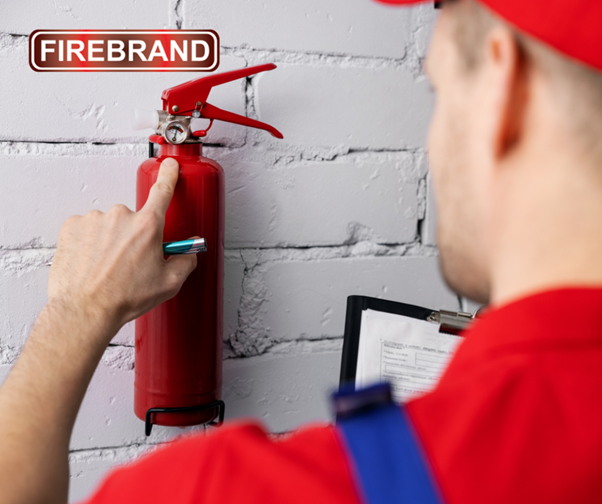

Implementing a maintenance and fire inspection plan
An effective fire inspection plan with testing and maintenance goes a long way towards preventing a fire or other incident that could cause loss of life, property damage, and the legal ramifications that ensue.
Over the last few posts, we have looked at some truly horrifying incidents involving fires and industrial accidents. We learned about the Ammonium nitrate fertiliser plant explosion, Boiling Liquid Expanding Vapour Explosion (BLEVE), a deadly night club fire and an airport fire amongst others. All these cases had one thing in common. They could have been prevented. Lack of fire escapes, incorrect operating procedures, changes to buildings, no proper plans all contribute to the risks associated with fires. If the articles prove one thing, it is the necessity for a proper fire inspection plan.
Management responsibility
Management is responsible for establishing and supporting an ongoing fire safety program by:
- Appointing a suitably qualified person to manage the program.
- Work with the appointee to implement and maintain the plan.
- Appoint and train suitable persons with working knowledge of fire prevention, effective communication skills and a desire to perform the duties involved to conduct inspections and implement the fire safety program.
- Give the inspectors sufficient authority to match their responsibilities.
- Involve them in developing and implementing the plan.
- Communicate continuously with them regarding the importance of their function and support them whenever possible.
Inspector responsibilities
They are responsible for conducting the day-to-day inspections, testing and ensuring the maintenance of the equipment. They also need to conduct effective inspections to:
- Detect the problem
- Determine the cause and how to correct it
- Correct the problem immediately
- Document the solution
- Verify the implementation of the solution
- Audit the situation for ongoing compliance
Develop an inventory of what must be inspected
As part of the plan, an inventory of what must be inspected must be drawn up. This should include
- Hydrants
- Control valves
- Check valves
- Backflow preventers
- Alarm check valves
- Dry-pipe valves
- Deluge valves
- Pre-action valves
- Accelerators and exhausters
- Alarms
- Main drains
- Pumper connections
- Standpipe connections
- Fire pumps
- Tanks
- Inspector’s test connections
- Other
Frequencies for inspection, testing & maintenance
Inspection frequencies need to be determined. Frequencies should be based on:
- Global standards
- National standards, in this case in accordance with SANS requirements per SANS 10400 National Building Regulations
- Local standards
- Manufacturers recommendations
Auditing
The fire inspection plan should not be seen as a box ticking exercise, it is there to protect people, property and the environment from the consequences of fire. The entire program needs to be audited at least annually to ensure that any changes, additions or removals of equipment are reflected.
Conclusions
A suitable plan for the inspection, maintenance and testing of fire protection equipment must be part of your overall fire prevention plans. Firebrand has the skills and expertise to assist you in all steps of your fire prevention program, from specialised installation projects to property inspections and risk solutions. Contact us for a free risk assessment.